



 Polski
 English
 Italiano
 Español
 Čeština
 Српски
 Deutsch
 Ελληνικά
 Slovenský




-
€
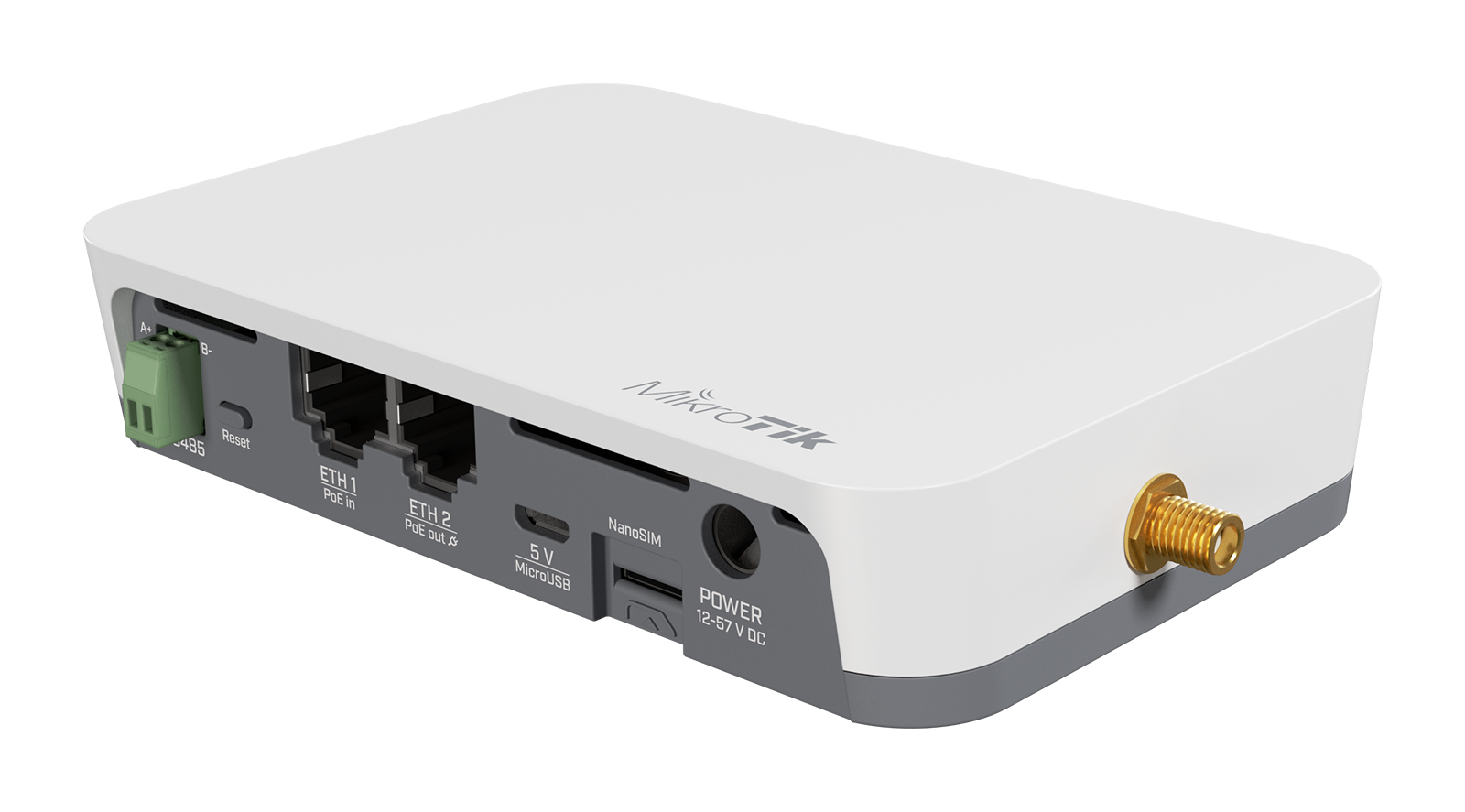
MikroTik KNOT LR9G kit IoT gateway with LoRa, Wi-Fi 4, GPS, LTE CAT-M and Bluetooth
Marca: Mikrotik
Código de producto: RB924IR-BT5-R11E-LR9
Número de catálogo: 10764
Garantía (meses):
Precio
126,08 €
155,08 € IVA incluido
favoriteAñadir a la lista de deseos
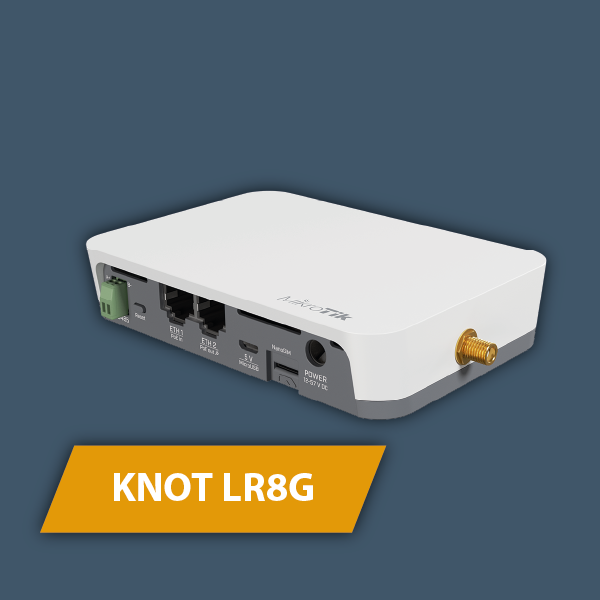
MikroTik KNOT LR9G is a universal IoT gateway that supports multiple technologies. It supports LoRa transmission in the 915 MHz band as well as LTE CAT-M — NB2 and M1. This allows you to wirelessly transmit data from remote locations without the need for internet access or creating an LTE connection. Additionally, the KNOT LR9G works with GPS, Bluetooth 5.2, and Wi-Fi 4 N300. It enables GPS-based tracking and the connection of wireless Bluetooth / Wi-Fi sensors. You can also use two Fast Ethernet ports (10/100 Mb/s) for communication. The device supports three types of power input: a DC jack (12–57 V DC), micro USB (5 V DC), and PoE input (18–57 V DC). It features very low power consumption, with a maximum of only 6 W. With the accessories included in the set, the device can be mounted on a wall or on a DIN rail.
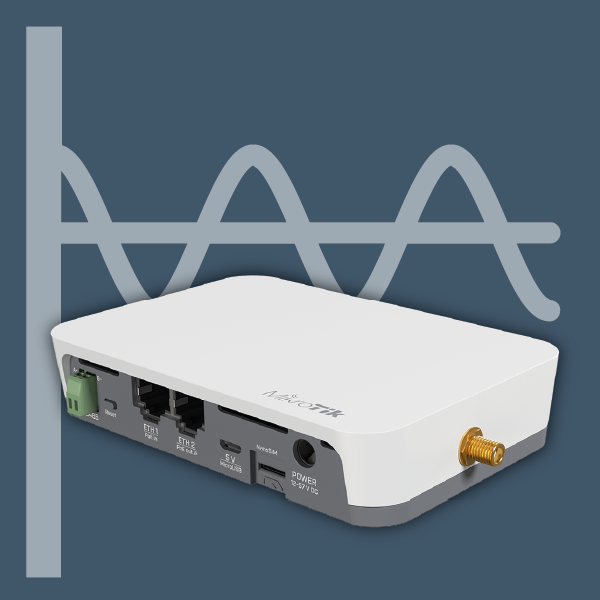
LoRa 915 MHz, CAT-M/NB
The offered product supports LoRa transmission at the 915 MHz frequency. It can be integrated into an existing wireless network to transmit data from connected sensors, serving as a LoRa gateway. The KNOT LR9G supports CAT-M1 and CAT-NB2 transmission, enabling remote management and monitoring without the need to invest in standard, much more expensive LTE connectivity.
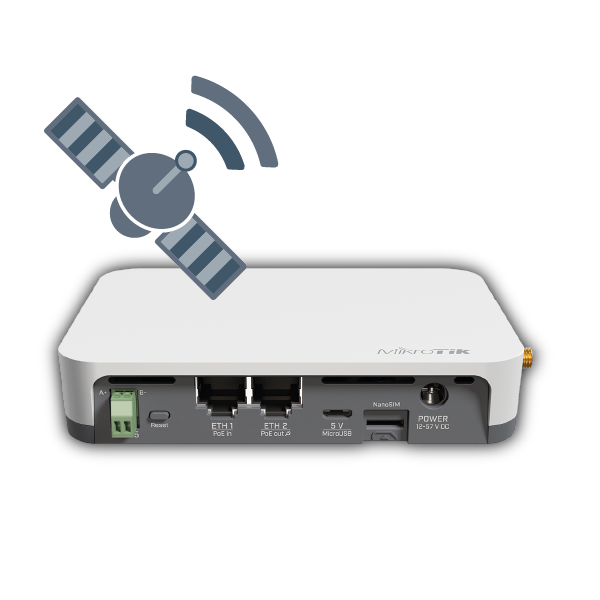
GPS
The device supports GPS (GNSS) transmission, which is very useful in the automotive industry. In combination with LTE CAT-M/NB, it allows real-time location tracking. This functionality will be appreciated by transportation companies that need to monitor the location of their vehicles.
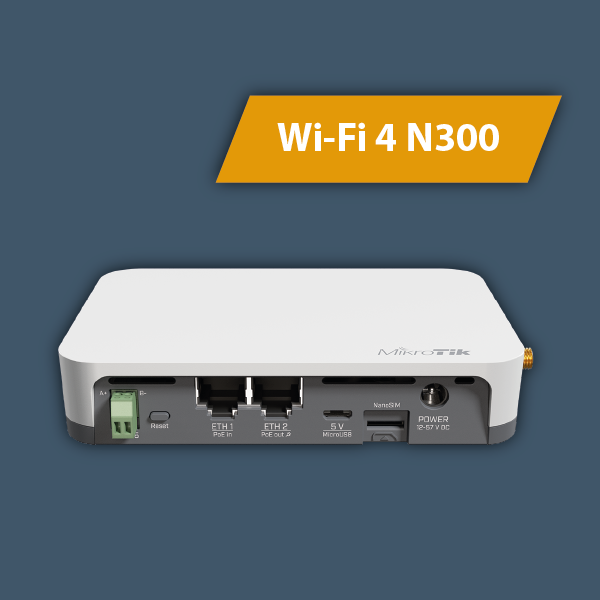
Bluetooth, Wi-Fi 4 N300
The KNOT LR9G also provides local wireless communication, including for connecting sensors. It supports Bluetooth 5.2 and Wi-Fi 4 N300 — IEEE 802.11 b/g/n protocols in the 2.4 GHz band. Wi-Fi transmission makes it easier to deploy the device in locations with an extensive wireless network, such as shopping malls, restaurants, or hotels.
External antenna support
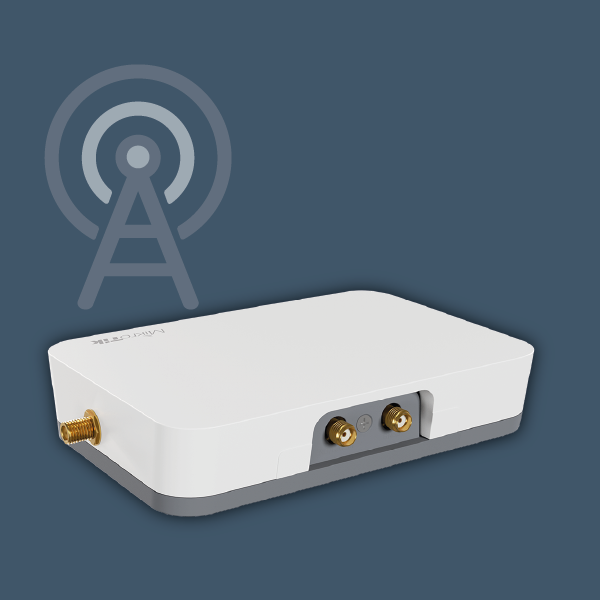
The enclosure features three SMA connectors that allow you to connect external antennas to improve signal coverage. You can use antennas for GNSS (GPS), LoRa, and NB/CAT-M transmission. Connecting them is very simple—there is no need to open the enclosure, as the connectors are accessible from the outside.
Three power options, PoE output
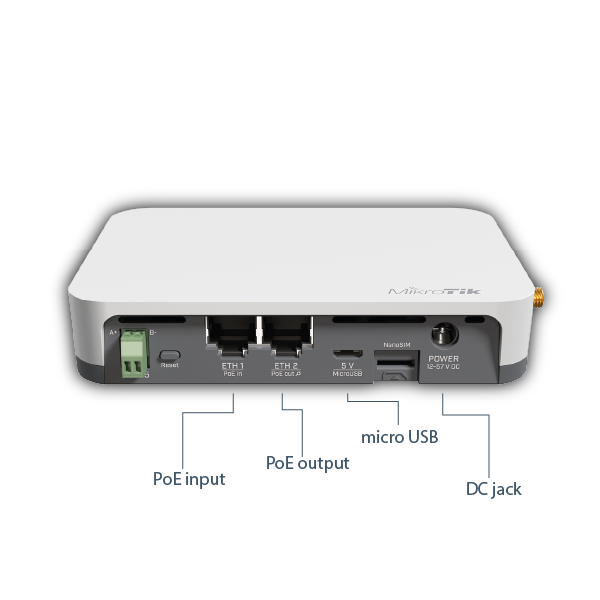
The KNOT LR9G can be powered in three ways—it has a PoE input on the Ethernet port (18–57 V DC), a DC jack (12–57 V DC), and a micro USB port (5 V DC). Additionally, the second Ethernet port provides PoE output, allowing you to power another device. A notable advantage of this product is its very low power consumption—the KNOT LR9G itself consumes only 6 W!
Wide range of applications
Thanks to its compatibility with multiple standards, wireless connectivity, extensive management options, and a Modbus interface, the KNOT LR9G is suitable for a wide variety of IoT applications. It is an excellent and cost-effective solution for monitoring (e.g., in combination with temperature or humidity sensors), asset tracking, reading sensor data, or automation. Due to its price, this product can be used not only by large enterprises on a large scale but also by smaller companies.
Specifications
| MikroTik RB924iR-2nD-BT5&BG770A&R11e-LR9G | ||
| CPU |
QCA9531 Single-core 650 MHz |
|
| CPU architecture | MIPSBE | |
| Size of RAM | 64 MB | |
| RAM type | DDR2 | |
| Storage | 16 MB, Flash | |
| Number of 100M Ethernet ports | 2 | |
| MiniPCIe slots | 1 | |
| USB slots | 1 microUSB type AB | |
| Wireless interface model | QCA9531 | |
| Wireless | 2.4 GHz 802.11b/g/n 2x2 MIMO (dual-chain) | |
| Antenna gain | 1.5 dBi | |
| Antenna beam width | 360° | |
| GNSS standard | GPS | |
| LoRa band | 915 MHz | |
| Bluetooth version | 5.2 | |
| IoT modem | BG770A | |
| Cat NB2 | B1/B2/B3/B4/B5/B8/B12/B13/B17/B18/B19/B20/B25/B28/B66 | |
| Cat M1 | B1/B2/B3/B4/B5/B8/B12/B13/B18/B19/B20/B25/B26/B27/B28/B66 | |
| Dimensions | 122 x 87 x 26 mm | |
| Operating system | RouterOS v7, License level 4 | |
| Operating temperature | -40°C to 70°C | |
| Powering | ||
|---|---|---|
| Number of DC inputs | 3 (DC jack, Micro USB, PoE-In) | |
| DC jack input Voltage | 12 - 57 V | |
| Micro USB input Voltage | 5 V | |
| PoE-In input Voltage | 18 - 57 V | |
| Power adapter nominal voltage | 24 V | |
| Power adapter nominal current | 1.2 A | |
| PoE-In | Passive, 802.3af/at | |
| PoE-Out | Passthrough | |
| PoE-Out ports | Ether2 | |
| Max out per port output (input < 30 V) | 650 mA | |
| Max out per port output (input > 30 V) | 450 mA | |
| Max power consumption (without attachments) | 6 W | |
| Max power consumption | 23 W | |
| Wireless specifications | ||
| Rate (2.4 GHz) | Tx (dBm) | Rx (dBm) |
| 1 Mb/s | 22 | -96 |
| 11 Mb/s | 22 | -89 |
| 6 Mb/s | 20 | -93 |
| 54 Mb/s | 18 | -74 |
| MCS0 | 20 | -93 |
| MCS7 | 16 | -71 |
Clientes que compraron este producto, también han comprado:
Otros productos de la misma categoría que le pueden interesar: